Welcome

fludds_monochord4With this blog, i want to use the Folkways Anthology as a roadmap to explore american folk music and maybe other countries traditions along the way. I’ ll use texts, images, music and videos gathered from my personal collection and from the net to make this work-in-progress enjoyable and educationnal the best i can. Any suggestions, additional informations, comments and critics are welcome…

I’ll use Harry Smith’s numerical order starting from the number one performance in the Anthology, “Henry Lee” by Dick Justice and end (someday…) with “Fishing Blues” by Henry Thomas. Each time, i’ll try to collect interesting links on the artist and on the song performed. There will be other performances by the artist and different versions of the selected song that i have access to. You’re invited to download and enjoy the selections but please, as much as you can, try to support the efforts of the small records companies and the artists by buying their records.

Published in: on November 18, 2008 at 3:25 pm Comments (44)

29 “The Wild Wagoner” by J.W Day (Jilson Setters)

J.W Day’s World

“In a windowless cabin, hidden away in a high cranny of the Kentucky mountains, lived Jilson Setters, who, for all his sixty-five years, had never seen a railroad. Neither had he heard a phonograph nor a radio. His home-made fiddle and his ‘ballets’ were good enough for Jilson Setters and mountain folk.”

from: “The Last Minstrel” by Jean Thomas, The English Journal, December, 1928909

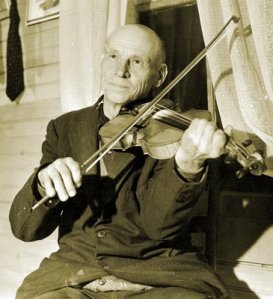
The story around Kentucky old-time fiddler James W. Day  is an interesting case of mystified folkore. Born in 1861 in Rowan County, Kentucky, J.W Day was a blind fiddler and singer, often living as a beggar musician in the small towns around Kentucky. At the end of the twenties, a young woman interested in folklore named Jean Thomas “discovered” him as she was collecting songs and stories in Kentucky. Fascinated by the way mountain people  preserved  traditions of the British Isles, notably the singing of the old ballads, Thomas created the “American Folk Song Festival” to present authentic perfomers of mountain music. The feestival was held every year in Kentucky from 1930 to 1972. When she met J.W Day, she had the idea to present him as the archetype mountain fiddler,”The singin fiddler of Lost Hope Hollow” (Title of the book she wrote about him) and she built a whole story , part true, part purely her own fantasy, to promote him and his music around the country. Under the name of “Jilson Setters”, she arranged for Day concerts and recording sessions and she even took him to play before the King of England. We don’t know how Day himself reacted to all this fuss around him, as on the pictures Thomas took of him, he looked like a dignified old country man, surely proud of the venerable old tunes he could play on his fiddle, but also had to make a living, be an entertainer, the only way to survive  for a blind musician during those years… His fiddle style was very unique also, as he was left-handed but played without re-stringing his instrument, with the strings upside down.. Like Elizabeth Cotten on the guitar, it gave him a unique style that is hard to duplicate. He recorded  for the Victor Record Company and also for The Library Of Congress in 1930.

-Go here (Wikipedia page) to read more about Jean Thomas (she was nicknamed “The Traipsin’ Woman”) and the American Folk Song Festival

-On this page, you can browse the beautiful collection of photographs she took in the mountains, and among them, many of J.W Day

-I’ve compiled all the sides i have by J.W Day including two sides recorded for the Library of Congress (very noisy, you’ll be warned)

1.The Wild Wagoner 905

2.Grand Hornpipe

3.Forked Deer

4.Way Up On Clinch Mountain

5.Black-eyed Suzie

6.The Arkansaw Traveler

7.Little Boy Working On The Road

8.No Corn on Tigert (LOC recording)

9.Dr Humphrey’s Jig(LOC recording)

DOWNLOAD HERE

butterfly1965

The Wagoner’s Variations

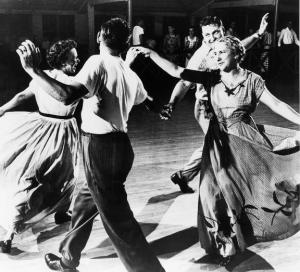
“Wagoner” is a very popular fiddle tune, a square dance’s favorite of the old days and maybe every old-time fiddler knows a version of it. It’s a tune in the key of C, a key less played than the regular A,G and D but if a fiddler knows one or two tune in C, it’s probably “Wagoner” or “Billy in the Low Ground”. All around the South, fiddlers calls it depending from the region they come from: Tennessee Wagoner,Nashville Wagoner, Texas Wagoner, Georgia Wagoner, North Missouri Wagoner, or just Wagner. I’ve compiled for you 28 versions, could have put many more, but it would have been a bit boring as the melodic contours of the tune remains very similar from one fiddler to another, apart maybe for J.W Day’s unique version, with a very unusual B part that modulate from C to D and John Morgan Salyer’s  who fiddle a very unique “Wagoner”. The first part of the tracks were selected from the Digital Library of Appalachia web site, a unique resource for fiddle tunes.

(In the pictures, John Morgan Salyer from Magoffin County, Kentucky and a group of square-dancers)

Part 1: Home and Field recordings from the Digital Library of Appalachia

  1. Wagoner one-step Isham Mondaysalyer
  2. Wagoner Emma Lee Dickerson
  3. Wagoner Bill Hatton
  4. Wagoner John Salyer
  5. Wagoner Glen Smith
  6. Wagoner Walter McNew
  7. Wagoner Glen Fannin
  8. Wagner Jewel Middleton
  9. Tennessee Wagoner Ray Sosbee
  10. Tennessee Wagoner J.L. Burke
  11. Tennessee Wagoner Tommy Magness
  12. Tennessee Wagoner Walker Johnson
  13. Tennesse Wagoner Robert “Georgia Slim” Rutland
  14. Tennessee Wagoner Lewis & Donna Lamb

DOWNLOAD HERE

Part 2: 78rpm records, Bluegrass, String Bands, Cajun, etc…

  1. Georgia Wagner Fiddlin John Carson Fiddlin John Carson Vol. 3 1925 – 1926square
  2. The Waggoner Fiddlin’ Doc Roberts Fiddlin Doc Roberts Vol. 3 (1930-1934)
  3. Texas Wagoner Eck Robertson Old Time Texas Fiddler (1922-1929)
  4. Georgia Waggoner The Skillet-Lickers The Skillet-Lickers Vol. 5 (1930-1934)
  5. Nashville Wagoner Clarence ‘Tater’ Tate Great American Fiddle Collection
  6. Tennessee Wagoner Casey Jones Three Fiddlers from the Show-Me State
  7. Tennessee Wagoner Don Reno & Red Smiley On The Air
  8. Waggoner Solomon Family The Solomon Family – Three Generations of Champion Texas Fid
  9. North Missouri Wagner Nile Wilson Tiehacker Hoedown
  10. Tennessee Wagoner Mac Traynham & Shay Garriock Turkey in the Mountain
  11. Wagoner This Big String Band The Next Small Thing…
  12. Wagoner Jim Taylor And Friends The Civil War Collection Volume Two
  13. Tennessee Wagoner Norman Blake & Rich O’Brien Be Ready Boys
  14. Wagoner Linzay Young Linzay Young & Joel Savoy

DOWNLOAD HERE

butterfly1965


Published in: on October 22, 2009 at 6:50 pm Leave a Comment

28 “Sail Away Lady” by Uncle Bunt Stephens

We leave the world of the folk ballads, who were typically sung in the privacy of homes, to music that was played in a social context, whenever groups of people reunited to either dance or pray together. The “social” set of the Anthology opens with a beautiful selections of fiddle tunes. The first one, with no back-up instruments, is a solo fiddle piece called “Sail Away Lady”. Played by John L. “Uncle Bunt” Stephens, a veteran old-time fiddler from Tennessee born in 1879, it represented, i quote Harry Smith, “american dance music in the period between the revolutionary and civil wars”. In those days, the “europeans settlers used the violon unaccompanied for dancing”, the banjo being introduced later in the middle 19th-century via contacts with african-americans.FHOFBunt

-For a complete biography of Uncle Bunt Stephens, go to this page of the “Old-time Music” website.

-Uncle Bunt Stephens recorded only four sides for Columbia records in 1926. From this four sides, only “Left in the dark Blues” hasn’t been reedited on cd. If someone has a copy somewhere an can digitalize it, i’d be delighted to hear from him…

Here are the three sides available:

-Sail Away Lady MP3

-Louisburg Blues MP3

-Candy Girl MP3

butterfly1965

The Sail Away Ladies Variations

“Sail Away Ladies” is one of the most popular fiddle tune of all time, and belongs to a family of tunes that includes also “Sally Ann”, “Great big taters in Sandy Land” or “Dineo”. Its popularity is also due to the lyrics that goes with the tune, with a refrain that repeat the phrase “Sail away ladies, sail away” or ” Don’t she rock day-dee-o”. Almost every fiddler and string band has the tune in his repertoire and it is very popular among folk singers also. British skiffle singer Lonnie Donegan recorded it also under the name “Don’t you rock me Daddy-O”, making it a skiffle favorite in England in the 1950/1960’s.

-For more detailed informations on the tune, i recommand the “Fiddler’s Companion” website.

-I choosed 30 variations of “Sail Away Ladies”, from fiddlers and string bands, folk and contemporary singers, and a bit of skiffle. Concerning the fiddle tunes renditions, i selected only the ones that goes under the “Sail away ladies” name or “Dineo” “Big taters in Sandy Land” names, which are all played in the same fiddle key of G. The “Sally Ann” tunes can be in D or G and sometimes A.

PART 1: FIDDLERS AND STRING BANDS

  1. Uncle Dave Macon from Go Long Mule
  2. Original Orchard Grass String Band (Dineo Ladies) Digital Library of Appalachia
  3. Jody Kruskal from Poor Little Liza Jane
  4. The Iron Mountain String Band from Iron Mountain String Band: An Old Time Southern Mountain String band
  5. Kenny Baker from Baker’s Dozen
  6. New Lost City Ramblers from Volume 5
  7. Everett Kays (Big Sweet Taters in Sandy land) Digital Library of Appalachia
  8. Parker & Dodd from Times Ain’t Like They Used To Be: Early American Rural Music
  9. Henry L. Bandy from Kentucky Mountain Music, Part 4
  10. Leonard Bowles  & Irvin Cook Digital Library of Appalachia
  11. Tom, Brad & Alice from Holly Ding
  12. Camptown Shakers from Camptown Shakers
  13. Bruce Molsky from Lost Boy
  14. Unidentified fiddler Digital Library of Appalachia
  15. Elizabeth LaPrelle from Lizard In the Spring
  16. Rufus Kasey (Dineo) Digital Library of Appalachia
  17. Bonnie Russell and the Russell Family from Mountain Dulcimer Galax Style

Full5109BruceMolsky-horz_t

DOWNLOAD HERE


PART 2: FOLK, SKIFFLE AND CONTEMPORARY PERFORMANCES

  1. Lonnie Donegan (Don’t you rock me daddy-o) from The Original Hits Of Lonnie Donegan
  2. S.J. & The Props from Tragedy
  3. The Wagoners from The Wagoners Sing Folk Songs for Camp
  4. Guy Carawan Guy Carawan Sings Something Old, New, Borrowed and Blue
  5. John Fahey from John Fahey Volume 4 / The Great San Bernardino Birthday Party
  6. Odetta from At The Gate Of Horn
  7. Koerner & Glover from Live At The 400 Bar
  8. Joan Baez from Folksingers ‘Round Harvard Square
  9. Holy Modal Rounders from Holy Modal Rounders
  10. Roger McGuinn with Odetta from  Treasures from the Folk Den
  11. Casey Joe Abair & Hunter Robertson from If You Want to Go to Sleep, Go to Bed
  12. Hank Schwartz from Notes Along The Way
  13. Mike Seeger from True Vine

odetta

Mike Seeger, autoharp

DOWNLOAD HERE

butterfly1965

To the memory of Odetta and Mike Seeger

Published in: on September 15, 2009 at 4:54 pm Leave a Comment

A retrospective look at Volume One:Ballads

Now that i came at the end of the first volume of of the Anthology i want to look back on the subject of ballads and at the sequencing of the songs chosen by Harry Smith. We have to keep in mind that the Anthology isn’t just a good collection of 78rpm records of American Folk Music, it’s first of all the creation of an artist/collector who wants to reveal some recurring patterns in this old records that tell us profound things about America and the american experience. In his interviews, Harry Smith spoke about the Anthology as a well-structured collection, made in four parts (he actually never finished editing the fourth one but Revenant records issued his selection of songs a few years ago) each part having his own theme and its own colour connected to one of the four elements (Air, Fire, Water and Earth). Smith’s family was deep in theosophy and occultism and it influenced him a lot in his life and in his work. In many ways, he made the Anthology a unique object; in the front cover of each record was a ancient drawing of “The Celestial Monochord” (also the name of an important blog about the Anthology) showing the hand of the Creator tuning it. The booklet also had a unique design, full of little images and drawings of animals, objects, musical instruments. The pictures of the musicians found on the pages of the booklet looked like they sounded, from another age, from another world gone by. The core of the booklet was a numerical listing of each track, with a newspaper like headline resume of the subject or the lyrics of each song with some notes, bibliography and discography. There was also an alphabetical index, a bibliography and a foreword and afterword by Smith and by Moses Ash, creator of Folkways Records. The record company, created after World War 2 by the son of the famous Yiddish writer Sholem Ash, had the ambition to cover all the world’s musical traditions, including sounds of nature, speeches and voices of poets, writers, politicians, etc…, all that could be recorded on disc and had an interest for the knowledge of humankind. In 1952, with the advent of the long-playind disc, it was now possible to put several tracks on each side of a record. Harry Smith, who had started collecting old records when he was a teenager, wanted to sell to Ash his huge collection of 78rpm records. Ash proposed him instead to compose an Anthology which would represent different aspects of American folk and vernacular music. Until the Anthology came out, american folk music was studied only through transcriptions of old ballads made by folklorists like Francis Child and Cecil Sharp or by field recordings made by people like John and his son Alan Lomax. To the serious folklorist, the “hillbilly” and “race” records issued by commercial recording companies in the 1920’s and 1930’s were not considered enough “authentic” material to a proper study of folklore. But it took an excentric artist like Harry Smith, on the marge of the academic world, to reveal the fascinating world that was hiding behind the grooves of this old records.

Ballads

The term “Ballad” (derived from the old french word for medieval dance songs) usually means a narrative song that tell a a concise story through imagery rather than litteral description. More often than not ballads are telling tragic love stories but they can have also comical, religious or historical topics. They were passed down orally from generation to generation in the British Isles since medieval times and many immigrants to the New World took them and continue to sing them there, especially in the appalachian mountains. The melodies and words were sometimes changed and altered with time and new stories and events were transformed in songs in the ballad form (folklorists call them “Native american ballads”). With the rising and popularity of the print paper, songs were put on cheap sheets and distribued in the towns and cities. Called “Broadside ballads”, they included many of the traditional themes of the older ballads like love, legends, murder, religion but every event that catched the attention and imagination of the folks could be put in the song format. Next to the words, the most-often anonymous author would sometimes indicate that the song can be sung with a certain melody from another popular song and with time, the new ballads were included along with the old ones in the repertoire of folk singers.

Harry Smith  start his anthology with americanized versions of the old ballads from the British Isles found in the repertoire of old-time singers. All the first selections are derived from longer ballads collected by Francis Child. “Henry Lee” came from Child no.68 “Young Hunting” (Harry Smith said that he didn’t like so much the Dick Justice record but it had the lowest number of the Child Ballads so it had to come first…) “Fatal Flower Garden” from “Sir Hugh”, “The House Carpenter” from “James Harris/The Daemon Lover”, “Drunkard’s Special” from “Our Goodman”, “Old Lady and The Devil” from “The Farmer’s Curst Wife”. “The Butcher Boy” is an amalgation of two english ballads from the 18th century, “The Cruel Father” and “There is an alehouse in yonder town”. “The Wagoner’s Lad” is made of floating lyrics found in other folksongs. “King Kong Kitchie Ki-Me-O”, a version of the famous “Frog-went-a courtin’” can be traced back to an entry in a 1580 register of the London Company about “A Moste Strange Weddinge of the Frogge and the Mouse”. Versions of “Old Shoes and Leggins” can be found in british and scottish folk songs collections.

With “Willie Moore”, Harry Smith shifts to “Native American Ballads”, ballads that were found only in the New World. These new ballads have many things in common with their older european relatives in styles and topics but the emergence of a new industrial world of factories, trains, ships, the influence of african-american music and speech made this kind of songs typically american. Ballads about murdered girls (Willie Moore,Omie Wise), outlaws and criminals (Cole Younger,Charles Guiteau, John Hardy, Stackalee, Frankie), trains and ships accidents (The Titanic, Engine 143, Kassie Jones), farmers and workers’s struggle against hard times (A lazy farmer boy, Peg and awl, John Henry, Down on Penny Farm, Mississippi Boweavil, Got the Farm Land Blues) formed this new repertoire of folk songs that are in the same time extremely specific of certain times and places but also the most universal and timeless tales of the human condition ever put in the song format.

The sequencing of the songs by Harry Smith is very elaborate and carefully made as many links and relations appear from one song to another. Apart from the related topics and themes described above, some songs can also be put together for their humor and wit (Drunkard’s Special, Old Lady and the Devil, King Kong Kitchie Ki-Me-O, Old Shoes and Leggins, A lazy farmer boy, Peg and Awl, John Johanna) or for their musical similarities ( The “modal” quality of the old love ballads, the “Black Ballads” and their similar proto-Blues structure, etc…) Many other less obvious and mysterious links can appear with time for the attentive listener and for those who see the Anthology not as just a good collection of songs but a world in itself, a world some would call “Harry Smith’s World”, “Smith’s Memory Theater”or “The Old, Weird America”.

Published in: on September 14, 2009 at 2:31 pm Comments (3)

27 “Got The Farmland Blues” by The Carolina Tar Heels

The Carolina Tar Heels World (part 2)

Here’s more Carolina Tar Heels tracks for you… I already introduced the band on my “Peg’n Awl” post a few months ago…The sound on some track is pretty bad but i hope you’ll enjoy nevertheless…Carolina+Tar+Heels+Carolina_Tar_Heels
TRACK LIST

1.Farm Girl Blues

2.I don’t like the Blues no how

3.The Apron String Blues

4.Somebody’s tall and handsome

5.Rude and Rambling Man

6.My home’s across the Blueridge mountains

7.Roll on Daddy roll on

8.Her Name was Hula Lou

9.Going to Georgia

10.Bring me a leaf from the sea

11.You’re a little too small

12.Got the farmland Blues

DOWNLOAD HERE

butterfly1965


The Farmland Blues Variations

27 Got the Farmland BluesThe song who close the “Ballad” volume on the Anthology can be describe as a humorous Mountain Blues describing the bad luck of a farmer that push him to move to town. It seems that the song was the creation of The Carolina Tar Heels themselves as i can’t find no other recordings apart from “covers” of the Tar Heels version by revivalist old-time bands. But the theme of the poor farmer and his struggles to survive during hard times can be found in many other songs…So i made a little compilation of songs with this theme, including some covers of “Farm land Blues”.

Page 1 and Page 2  for the music and words of “Got The Farmland Blues”

Let’s hear hillbilly, bluegrass, folk and Blues songs dealing with the “farmer’s Blues”…

Farmland Blues John Cohen Stories The Crow Told Me
Po’ Farmer (Poor Farmers) – Lemuel Jones Lemuel Jones Field Recordings Vol. 1: Virginia (1936-1941)
Poor Old Dirt Farmer Strange Creek Singers Strange Creek Singers: Get Aquatinted Waltz
Farm Relief Uncle Dave Macon Hard Times in the Country
Farmer’s Dream Oscar Ford Hard Times in the Country
Farmer Charlie Parr Roustabout
Farmer’s Lament Cisco Houston Folkways Years, The, 1944-1961
Farmer’s Blues John Dilleshaw John Dilleshaw 1929 – 1930
Farm Relief Song John White Juneberry 78
Farmer’s Blues Blue Highway It’s a Long, Long Road
Farm Blues Robert Pete Williams Robert Pete Williams
Got the Farmland Blues Bing Bang Boys I’m Feeling Good
Poor Old Dirt Farmer Levon Helm Dirt Farmer
  1. Farmland Blues, John Cohen, Stories The Crow Told MeRobert Pete Williams
  2. Po’ Farmer (Poor Farmers) ,Lemuel Jones, Field Recordings Vol. 1: Virginia (1936-1941)
  3. Poor Old Dirt Farmer, Strange Creek Singers, Strange Creek Singers: Get Aquatinted Waltz
  4. Farm Relief, Uncle Dave Macon, Hard Times in the Country
  5. Farmer’s Dream, Oscar Ford, Hard Times in the Country
  6. Farmer, Charlie Parr, Roustabout
  7. Farmer’s Lament,Cisco Houston , Folkways Years, The, 1944-1961
  8. Farmer’s Blues, John Dilleshaw, John Dilleshaw 1929 – 1930
  9. Farm Relief Song, John White, Juneberry 78
  10. Farmer’s Blues, Blue Highway, It’s a Long, Long Road
  11. Farm Blues, Robert Pete Williams, Robert Pete Williams
  12. Got the Farmland Blues, Bing Bang Boys, I’m Feeling Good
  13. Poor Old Dirt Farmer, Levon Helm, Dirt Farmerlevon-helm-cover-300x298

DOWNLOAD HERE

butterfly1965


26 “Mississippi Boweavil Blues” by Charley Patton (The Masked Marvel)

Charley Patton’s World

Charley (or Charlie) Patton is considered by many the most important bluesman of all times, the father of the “Delta Blues”, which is a genre that most people see as the “real, deep Blues”. Raised near the famous Dockery Plantation, a big cotton and sawmill plantation and the “mythical” birthplace of the Blues, Patton learned his skills with Henry Sloan, an older Bluesman born in 1870. His powerful guitar playing and vocals influenced all the other musicians around him, including Willie Brown, Tommy Johnson, Son House and the younger Robert Johnson would learn to play the Blues from them. Patton was very popular in all the South and he was a real showman on stage, making tricks like playing the guitar behind his head or his back, interspreading different vocal comments during his songs. His erratic life, his inclinations toward booze and women and his short life also contributed to make him a “Blues” icon.charleypatton1

Like for Robert Johnson, the label “Delta Blues” is quite limiting the range of their music. The repertoire of Patton (and Johnson) included a broader range of popular music, religious songs and pieces that came from the white tradition and they could includes them along with their “Blues” to please different audiences. The fact is that we see them today as genuine folk musicians rather than “entertainers” is due in part to the romantized and almost mystical way they were described by white Blues lovers and writers.  He recorded more than 60 sides during his rather short career, some with other musicians, some with a female vocalist, but a large part of his recordings he plays alone with his guitar. His unique spontaneous style and incredible timing combined with percussive effects on the guitar, vocal eccenticities made some of this sides, the most passionate pieces of music ever recorded.

-Go to this wikipedia page for a more complete biography and a list of his recordings

-Go here to see Robert Crumb’s cartoon biography

-Music writer and musician Elijah Wald, who wrote a very interesting book about Robert Johnson (“Escaping the Delta”), wrote also a superb essay about Patton, where he tries to picture the musician in “context”, escaping the romanced and mythical proses so common about Blues icons.

-Really appropriate to this post i found this article by Robert K.D Peterson: “Charley Patton and his Mississippi Boweavil Blues”

-There are two books dedicated entirely to the life and music of Charley patton:one by guitar player John Fahey and the other by Stephen Calt and Gayle Wardlow.There are both out-of-print but you can maybe find them by doing a research on the net.

-You can have the Fahey book by buying the box-set he issued on his Revenant label along with 7 cds and a booklet. It’s pricey but a must-have for the real fan.

-Those with a low budget can nevertheless have Patton’s complete recordings with this JSP box-set or with excellent compilations issued by Yazoo records

-From my part, i offer you the 14 sides Patton recorded for his first session in Richmond in 1929:

  1. Pony Bluescharlie_patton_78_1FULLSIZE
  2. A Spoonful Blues
  3. Down The Dirt Road Blues
  4. Prayer Of Death, Pt. 1
  5. Prayer Of Death, Pt. 1
  6. Screamin’ & Hollerin’ The Blues
  7. Banty Rooster Blues
  8. Tom Rushen Blues
  9. It Won’t Be Long
  10. Shake It & Break It (But Don’t Let It Fall Mama)
  11. Pea Vine Blues
  12. Mississippi Boweavil Blues
  13. Lord I’m Discouraged
  14. I’m Goin’ Home

DOWNLOAD HERE

butterfly1965


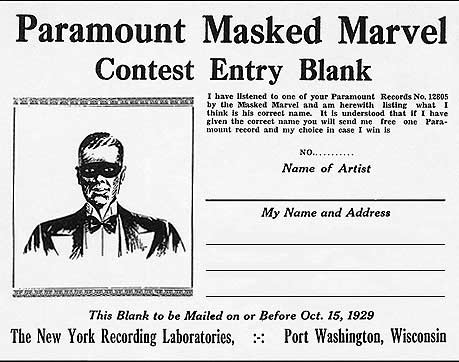
-When Paramount released “Mississippi Boweavil Blues” in 1929, instead of the artist’s name, they wrote “The Masked Marvel” and organized a contest for the customers to guess the real identity of the artist. The winner would win a free record of his choice… In 1952, on the Anthology, Harry Smith choosed to keep the “Masked Marvel” name on the record…masked

The Boll Weevil Variations

Boll_weevil_illustrationThe Boll weevil, a little insect that feeds on cotton buds and flowers, originated in Mexico and migrated to the U.S in the late 19th century.First in the Texas area and then all across the South, it destroyed the cottonfields and plantations and caused the migration of thousands of farmers and field workers toward the northern big cities. It became the subject of many songs in the 20th century but the most famous of this “Boll weevil” songs present a rather humourous dialogue between a farmer and the little bug and the chorus most of the time, repeats the phrase “Looking for a home”. Folklorists think the song originated with black people and one of the older version is the one Charley Patton sang in his 1929 recording “Mississippi Bollweavil Blues”. It was sometimes sung in a manner of a “field holler” by blacks but Leadbelly’s version, which has the “looking for a home” chorus became the most famous, the one many folksingers sang during the Folk revival.

-For more informations about the boll weevil and the damages he made in the South go to this wikipedia page and on this page, wou’ll find many interesting articles.

-Go to Roger Mc Guinn’s Folk Den page to listen to his version and read the lyrics

-Like i said above, the boll weevil was widely sung during the 20th century and you can find versions in many genres of american popular music: Blues, Jazz, Country, Folk, Rock n’roll, etc… I’ve selected 60 performances that i liked, staying mostly in the folk/blues tradition, with numerous wonderful field recordings made by Alan Lomax and other across the South. I’ve included some versions from the pop/rock world (Fats Domino, Eddie Cochran) but didn’t include the Brook Benton version, which was a huge hit in the 1960’s (you can listen to it on Youtube).

(The title is always “Boll Weevil” “Boll Weavil” or “Boll Weevil Blues” unless where indicated)

“FIELD RECORDINGS, SONGSTERS, BLUESMEN…”

Part 1 

  1. Richard Amerson from Boll Weevil Here, Boll Weevil Everywhere – Field RecordingsCottonFields
  2. Ma Rainey from Countin’ the Blues
  3. Oscar Woods from Texas Blues: Early Blues Masters From The Lone Star State 
  4. Otis Webster from Country Negro Jam Session 
  5. Blind Jesse Harris from Field Recordings Vol. 4: Mississippi & Alabama (1934-1942)
  6. Guitar Welch from 20 To Life: Prison Blues
  7. Eubie Blake from Memories of You
  8. Irvin ‘Gar Mouth’ Lowry from Boll Weevil Here, Boll Weevil Everywhere – Field Recordings 
  9. Baby Face Leroy Foster from Chicago Is Just That Way
  10. Buster “Buzz” Ezell from Field Recordings Vol. 2: North & South Carolina, Georgia, Texas
  11. Rev. J.M. Milton(Silk Worms And Boll Weevils) from Preachers And Congregations Vol. 5 (1926-1931)
  12. Vera Hall from Boll Weevil Here, Boll Weevil Everywhere – Field Recordings 
  13. John Henry Barbee from Blues Live
  14. Jack Newman from Jack Newman (1938)
  15. Asa Ware from Field Recordings Vol. 15  1941 – 1942 “Rock Me Shake Me”

DOWNLOAD HERE

Part 2

  1. Bessie Smith from The Quintessence
  2. Alf (Chicken Dad) Valentine from Boll Weevil Here, Boll Weevil Everywhere – Field Recordings 
  3. Gus Cannon from Walk Right In
  4. Charles Griffin (Boll Weevil rag) from  Boll Weevil Here, Boll Weevil Everywhere – Field Recordings 
  5. Jaybird Coleman from The Stuff That Dreams Are Made Of: Super Rarities
  6. Lead Belly from Lead Belly Sings for Children
  7. Finious (Flat Foot) Rockmore from Field Recordings Vol. 6: Texas (1933-1958)
  8. Pink Anderson from Classic African American Ballads
  9. Josh White from The Josh White Stories 
  10. Blind Willie McTell from The Devil Can’t Hide From Me
  11. Willie George Albertine King from Field Recordings Vol. 5: Louisiana, Texas, Bahamas (1933-194
  12. Muddy Waters from This Is Muddy Waters Vol.2
  13. Mance Lipscomb (Ballad of the Boll Weevil) from Trouble In Mind
  14. Willie Williams (Boll Weevil been here) from Field Recordings Vol. 12: Virginia & South Carolina (1936-19
  15. Sid Hemphill and Lucius Smith from Field Recordings Vol. 15  1941 – 1942 “Rock Me Shake Me”

89970709_9cfe40c148

DOWNLOAD HERE

“OLD-TIME, COUNTRY, FOLK, ROCK N’ROLL…”

Part 3

  1. Ramblin’Jack Elliott from Ramblin’ Jack
  2. Erik Darling from Erik Darling Elektra lp
  3. James Leva (Boll Weevil/Raleigh and Spencer) from Memory Theatre
  4. Charlie Louvin (Dixie Boll Weevil) from Charlie Louvin Sings Murder Ballads & Disaster Songs
  5. Lindsey And Conder from Rural Tennessee String Bands6
  6. Jim Plummer and The Firebirds from Movin’ On
  7. Tommy Jarrell from Down to the Cider Mill
  8. Jeanette Hicks from The Louisiana Hayride Archives
  9. Jo-Ann Kelly from Do It And More
  10. Old Crow Medicine Show from Eutaw
  11. Sam Hinton from I’ll Sing You a Story
  12. Dan Zanes & Kyra Middleton from Give US Your Poor
  13. Nate Leath from Rockville Pike
  14. Bill Bonyun from Who Built America: American History Through Its Folksongs
  15. Fred Gerlach from Twelve-String Guitar: Folk Songs and Blues Sung and Played by Fred Gerlach

DOWNLOAD HERE

Part 4

  1. Guy Carawan from Songs with Guy Carawan
  2. Tommy Faile from Oh Brother Can You Spare a Dime
  3. Carl Sandburg from The Great Carl Sandburg:  Songs of America
  4. Tex Ritter from Tex Ritter
  5. John-Alex Mason from Town and Country
  6. Sid Selvidge from Live At Otherlands
  7. Woody Guthrie from Complete Master Records
  8. Fiddlin’ John Carson (Dixie Boll Weevil) from People Take Warning! Murder Ballads & Disaster Songs 1913-19
  9. Eddie Cochran from ’50’s Greatest Rock ‘N’ Roll, Vol. 2
  10. Pete Seeger from American Favorite Ballads, Vol. 3
  11. Shirley Collins and Davey Graham from Folk Roots, New Routes
  12. Hermes Nye from Texas Folk Song
  13. Fats Domino from The Greatest R&B Hits Of 1956
  14. Hallie Ormand from Ozark Folksongs
  15. Spider John Koerner from Raised By Humans

75koerner

DOWNLOAD HERE

butterfly1965 (Photos are : Cottonfields workers, Sid Hemphill and Lucius Smith, Tommy jarrell, Spider John Koerner)

Down The Dirt Road Blues
Prayer Of Death, Pt. 1
Screamin’ & Hollerin’ The Blues
Banty Rooster Blues
Tom Rushen Blues
It Won’t Be Long
Shake It & Break It (But Don’t Let It Fall Mama)
Pea Vine Blues
Mississippi Boweavil Blues
Lord I’m Discouraged
I’m Goin’ HomePony Blues
A Spoonful Blues
Down The Dirt Road Blues
Prayer Of Death, Pt. 1
Screamin’ & Hollerin’ The Blues
Banty Rooster Blues
Tom Rushen Blues
It Won’t Be Long
Shake It & Break It (But Don’t Let It Fall Mama)
Pea Vine Blues
Mississippi Boweavil Blues
Lord I’m Discouraged
I’m Goin’ Home

25 “Down on Penny’s Farm” by The Bently Boys

The Bently Boys World/The Penny’s Farm Variations

“Renters caught by poverty on George Penny’s farm picture landlord as miser, thief, and liar” Harry Smith’s notes from the Anthology

 The Bently Boys, from which we know nothing except that they were from North Carolina, recorded “Down on Penny’s Farm” in 1929 for Columbia Records. It featured banjo and guitar and the flip side track “Henhouse Blues” feaured also a fiddle player. Apparently they didn’t record anything else but their version of “Penny’s farm”, thanks to the Anthology, inspired the young Bob Dylan for one of the first song he wrote when he came to New York City, “Hard times in New York Town”. It would also inspire him to write his “Maggie’s Farm” a few years after. Harry Smith said that “Penny’s farm” was “a regionalized recasting of an earlier song called “Hard times”. On this page of “Mudcat cafe”, there’s an interesting discussion about the song and its origin and it feaures the lyrics of the Bently Boys version as well. 

-Listen to the flip side track of “Down on Penny’ farm”: “Henhouse Blues” by The Bently Boys

-”Penny’s Farm” was done quite often in the recent years by folk musicians and old-time string bands,including a very unusual version on an album called “Wayne Horvitz:Joe Hill:16 Actions for Orchestra, Voices and Soloist”, a parody version called ” Down on the funny farm” by the Good Rockin’ Daddies…In the 1930’s, Gid Tanner (with Riley Puckett) did his version and called it “Tanner’s farm. During the folk revival, Pete Seeger recorded the song and a variant called “Hard times in the mines”. His brother Mike did as well with “Hard times in these mines”.

Enjoy!

TRACK LISTgid___riley

  1. Down On Penny’s Farm, The Bently Boys, from The Anthology Of American Folk Music 
  2. Down On Penny’s Farm, Jeff Warner and Jeff Davis, from Old Time Songs for Kids
  3. Down On the Funny Farm, Good Rockin’ Daddies, from Born to Boogie
  4. Penny’s Farm, Lost Mountain String Band, from Waiting for the Boogerboo
  5. Penny’s Farm, The Holy Modal Rounders, from Too Much Fun!
  6. Hard Times in These Mines, Mike Seeger, from Tipple, Loom & Rail
  7. Penny’s Farm, Tom Akstens and Neil Rossi, All Around the Mountain
  8. On Tanner’s Farm, Gid Tanner & Riley Puckett, from Early Country, Vol. 1
  9. Joe Hill: Action 11 – Hard Time in the Country,Danny Barnes, Northwest Sinfonia, Bill Frisell, Rinde Eckert, Robin Holcomb, from Wayne Horvitz: Joe Hill: 16 Actions for Orchestra, Voices, and Soloist
  10. Penny’s Farm, Pete Seeger,from Darling Corey/Goofing-Off Suite
  11. Penny’s Farm ,Pete Constantini, from We Won’t Move: Songs of the Tenants’ Movement
  12. Penny’s Farm, Olav Undeland, from Riding The Blind
  13. Hard Times in the Mill, Pete Seeger, from American Industrial Ballads
  14. Down on Pennys Farm, Natalie Merchant, from The House Carpenters Daughter
  15. Hard Times In New York Town, Bob Dylan, from The Bootleg Series, Vols. 1-3 : Rare And Unreleased, 1961-1991 

DOWNLOAD HERE

butterfly1965


-Here’s an interesting and funny clip of a 1960’s documentary about “young beatnicks” in England. In the beginning, a young Wizz Jones (british folk/Blues singer and guitar player) is doing a parody song using “Down on Penny’s Farm”


f


Down On Penny’s Farm Bently Boys Anthology Of American Folk Music

Down On Penny’s Farm Jeff Warner and Jeff Davis Old Time Songs for Kids
Down On the Funny Farm Good Rockin’ Daddies Born to Boogie
Penny’s Farm Lost Mountain String Band Waiting for the Boogerboo
Penny’s Farm The Holy Modal Rounders Too Much Fun!
Hard Times in These Mines Mike Seeger Tipple, Loom & Rail: Songs of the Industrialization of the S
Penny’s Farm Tom Akstens and Neil Rossi All Around the Mountain
On Tanner’s Farm Gid Tanner & Riley Puckett Early Country, Vol. 1
Joe Hill: Action 11 – Hard Time in the Country – Danny Barne Danny Barnes Wayne Horvitz: Joe Hill: 16 Actions for Orchestra, Voices, a
Penny’s Farm Pete Seeger Darling Corey/Goofing-Off Suite
Penny’s Farm – Pete Constantini Pete Constantini We Won’t Move: Songs of the Tenants’ Movement
Penny”S Farm Olav Undeland Riding The Blind
Hard Times in the Mill Pete Seeger American Industrial Ballads
Down on Pennys Farm Natalie Merchant The House Carpenters Daughter
Hard Times In New York Town Bob Dylan The Bootleg Series, Vols. 1-3 : Rare And Unreleased, 1961-1991 [Disc 1]Down On Penny’s Farm Bently Boys Anthology Of American Folk Music
Down On Penny’s Farm Jeff Warner and Jeff Davis Old Time Songs for Kids
Down On the Funny Farm Good Rockin’ Daddies Born to Boogie
Penny’s Farm Lost Mountain String Band Waiting for the Boogerboo
Penny’s Farm The Holy Modal Rounders Too Much Fun!
Hard Times in These Mines Mike Seeger Tipple, Loom & Rail: Songs of the Industrialization of the S
Penny’s Farm Tom Akstens and Neil Rossi All Around the Mountain
On Tanner’s Farm Gid Tanner & Riley Puckett Early Country, Vol. 1
Joe Hill: Action 11 – Hard Time in the Country – Danny Barne Danny Barnes Wayne Horvitz: Joe Hill: 16 Actions for Orchestra, Voices, a
Penny’s Farm Pete Seeger Darling Corey/Goofing-Off Suite
Penny’s Farm – Pete Constantini Pete Constantini We Won’t Move: Songs of the Tenants’ Movement
Penny”S Farm Olav Undeland Riding The Blind
Hard Times in the Mill Pete Seeger American Industrial Ballads
Down on Pennys Farm Natalie Merchant The House Carpenters Daughter
Hard Times In New York Town Bob Dylan The Bootleg Series, Vols. 1-3 : Rare And Unreleased, 1961-1991 [Disc 1]Down On Penny’s Farm Bently Boys Anthology Of American Folk Music
Down On Penny’s Farm Jeff Warner and Jeff Davis Old Time Songs for Kids
Down On the Funny Farm Good Rockin’ Daddies Born to Boogie
Penny’s Farm Lost Mountain String Band Waiting for the Boogerboo
Penny’s Farm The Holy Modal Rounders Too Much Fun!
Hard Times in These Mines Mike Seeger Tipple, Loom & Rail: Songs of the Industrialization of the S
Penny’s Farm Tom Akstens and Neil Rossi All Around the Mountain
On Tanner’s Farm Gid Tanner & Riley Puckett Early Country, Vol. 1
Joe Hill: Action 11 – Hard Time in the Country – Danny Barne Danny Barnes Wayne Horvitz: Joe Hill: 16 Actions for Orchestra, Voices, a
Penny’s Farm Pete Seeger Darling Corey/Goofing-Off Suite
Penny’s Farm – Pete Constantini Pete Constantini We Won’t Move: Songs of the Tenants’ Movement
Penny”S Farm Olav Undeland Riding The Blind
Hard Times in the Mill Pete Seeger American Industrial Ballads
Down on Pennys Farm Natalie Merchant The House Carpenters Daughter
Hard Times In New York Town Bob Dylan The Bootleg Series, Vols. 1-3 : Rare And Unreleased, 1961-1991 [Disc 1]

Published in: on June 17, 2009 at 2:55 pm Comments (5)

24 “Kassie Jones” by Furry Lewis

Furry Lewis’s World

Lewis_FurrywebWalter “Furry” Lewis, born in Greenwood, Mississippi in 1893 was a superb country blues singer and a versatile guitar player with a relaxed and sponatenous style. He spent most of his life in the city of Memphis, Tennessee, which was a rich musical center for african-americans in the first decades of the 20th century. He learned his skills on the road with medecine shows, on mississippi riverboats, streets and clubs, playing music with W.C Handy’s orchestra, but settled down in Memphis after loosing one leg as he was hopping a train. On Beale street he would meet and play with many fine Memphis musicians like Gus Cannon,members of the Memphis Jug Band, Jim Jackson etc…He recorded more than 20 sides between 1927 and 1929 but as the Depression put a stop to record sales, he returned to work as a street sweeper around Beale Street. Like Mississippi John Hurt, he had a “second career” in the sixties, thanks to the “Anthology” and the Folk/Blues revival. It was Samuel Charters, the great music researcher and writer, that found him and record him first a the end of the Fifties.When Charters first met with Furry, he hadn’t play music for more than 20 years and dind’t even own a guitar. But when the “Blues” is in you, it stays forever and when he returned to play, his natural talent for playing and singing the Blues was unchanged, maybe he was a little bit slower on the guitar but  his music gained in emotion and power with age. He would fingerpick or play with a bottleneck, depending on his mood and the song, the music flowing from him, in a natural and almost improvisationnal way.He became a prominent figure on the Blues and Folk festivals, made numerous new recordings,opened shows for the Rolling Stones and other rock stars and was the only country blues singer of his generation gaining popular attention, without changing his repertoire, deeply rooted in the african-american tradition of rags and blues. He died in 1981, at the age of 88.

-For more details on his biography, go here or here

-For a complete discography, go here

-To read a fine article (in pdf format) Playboy magazine made on Furry in 1970, click here

-Here are the 25 sides he recorded at the end of the 1920’s for the Vocalion and Victor record companies. Be sure to check the other recordings Furry made in the 60’s and 70’s for various labels. (Many are available on cd format)Furry Lewis

    01 - Everybody`s blues
    02 - Mr. Furry`s blues
    03 - Sweet papa moan
    04 - Rock Island blues
    05 - Jelly roll
    06 - Billy Lyons and Stack O`Lee
    07 - Good looking girl blues
    08 - Why don`t you come home blues? 
    09 - Falling down blues
    10 - Big chief blues 
    11 - Mean old bedbug blues
    12 - Furry`s blues
    13 - I will turn your money green (tk. 1) 
    14 - I will turn your money green (tk. 2)
    15 - Mistreatin` mama
    16 - Dry land blues
    17 - Cannon ball blues
    18 - Kassie Jones – part 1
    19 - Kassie Jones – part 2
    20 - Judge Harsh blues (tk. 1)
    21 - Judge Harsh blues (tk. 2)
    22 - John Henry (The steel driving man) -1 
    23 - John Henry (The steel driving man) -2
    24 - Black gypsy blues
    25 - Creeper`s blues

DOWNLOAD HERE

butterfly1965


-Let’s see the man in action with this beautiful footage clips  found on Youtube:

First, here’s Furry doing his version of “Kassie Jones”

A little bit of “Brownsville Blues…

And let’s end with this masterpiece performance of “When I lay my burden down”. See how he’s relaxed with the guitar and make his wonderful tricks, reminescences maybe of the medecine shows of his youth

lewis_walter_003

The Casey Jones Variations

“FATAL WRECK – Engineer Casey Jones, of This City, Killed Near Canton, Miss. – DENSE FOG THE DIRECT CAUSE – Of a Rear End Collision on the Illinois Central. – Fireman and Messenger Injured – Passenger Train Crashed Into a Local Freight Partly on the Siding-Several Cars Demolished.” Jackson, Tennessee Sun newspaper, april 30, 1900.

CaseyJonesSoon after the fatal train collision that killed engineer John Luther Jones (he was nicknamed “Casey” because he was from the town of “Cayce”, Kentucky) on april 30, 1900, heroic tales of his death started to be told across the South. When he was living, Jones already had a growing reputation among railroad folks for his trademark whistle (every engineer at this time could make his own whistle) and for his aptitude at being always on time. After his death, he became a real heroic figure and the song about him helped to carry his memory over the years.Like “Frankie and Albert” , the story of the Casey Jones ballad goes back and forth between the folk and popular music worlds. It originally started with Wallace Saunders, a black engine wiper who worked on a railroad shop in Canton. Saunders was known for his ability to make songs about people and singing or whistling them as he was working. The song he made up about Casey Jones, derived from an older african-american “Blues ballad” called “Jimmy Jones”. It had a very catchy tune and people along the railroad line started to sing it. Illinois Central Engineer William Leighton loved the song so much that he told about it to his two brothers Frank and Bert, who were vaudeville performers. The Leighton brothers re-arranged the song with a chorus they added and sang it in theatres around the country. Finally two other vaudeville performers Lawrence Seibert, singer and Eddie Newton, composer, took the credit for the song and published it in 1909 under the title “Casey Jones , the brave engineer”. From then it became a very popular piece and althought it described a tragedy, the song had a humorous feel and a catchy melody that pleased everyone. Recordings were made of the “vaudeville” Casey Jones” and this version enterred as well the oral folk tradition where it could be mixed with older songs. Many parodies and other songs were also made, using the “Casey Jones” melody.

-To read the whole story of John Luther “Casey” Jones, go to this Wikipedia page or here and also here

-For a complete study of the Casey Jones ballad i recommend once again the wonderful book by Norm Cohen called  “The Long Steel rail”. Cohen discuss the origins of the song and study the different lyrics of each version.

-Lyrics for the Furry Lewis’s version, as well as the Mississippi John Hurt’s version can be found on this page

-I compiled 50 different versions of “Casey Jones”, from the hundreds that were recorded since 1912. Like the John Henry, Frankie or Stagolee ballads, the song found his place in the major genres of americana music:Pop, Folk, Blues, Jazz, Cajun (wonderful version by The Balfa Brothers) and i tried to represent the best versions in each one.(I didn’t include The Grateful Dead’s rock version because it’s a complete rewriting, both words and melody, of the song) I included also parodies (The Union Scab) and songs that are related to the Casey Jones ballad (Milwaukee Blues, Jay Gould’s Daughter, On the road again, Ben Dewberry’s final run, Freight train Boogie, J.C Holmes Blues). 

(The song title is always “Casey Jones” unless where indicated

PART 1:


Casey Jones Furry Lewis Shake ‘Em On Down
Casey Jones (Edison Cylinder, 1912) Billy Murray Radio & Recording Rarities, Volume 21
Harmonica Medley: Casey Jones / Old Sow Jumped over the Fenc Jule Garrish Between the Sound and the Sea: Music of the North Carolina O
Southern Casey Jones Bob Howard Complete Jazz Series 1937 – 1947
Casey Jones (The Union Scab) Earl Robinson Earl Robinson Sings
Casey Jones The Golden Gate Quartet Gospel Masters: Ballin’ the Jack
Casey Jones Art Sulger 12String
Casey Jones Ken Colyer’s Skiffle Group Vintage Ken Colyer – Vol. 2
Casey Jones Carl Sandburg The Great Carl Sandburg:  Songs of America
Casey Jones Joe Glazer Union Train
Kassie Jones Alice Stuart All the Good Times                                          
Casey Jones Elizabeth Cotten Elizabeth Cotten, Volume 3: When I’m Gone
Casey Jones Gabriel Brown, John & Rochelle French Field Recordings Vol. 7: Florida (1935-1936)
Casey Jones The Skillet-Lickers The Skillet-Lickers Vol. 1 (1926-1927)
Casey Jones Barrel Fingers Barry and The Crazy Guy, Earl Krause Beer Barrel Piano
Casey Jones Wingy Manone Berry Story
Kassie Jones K.C. Douglas K.C. Douglas: A Dead Beat Guitar and the Mississippi Blues
Casey Jones Francis H. Abbot Folk Songs Of America:The Robert Winslow Gordon Collection 1922-1932
K.C. Jones (On The Road Again) North Mississippi Allstars Shake Hands With Shorty
Casey Jones (The Union Scab) Pete Seeger American Industrial Ballads
Casey Jones Jerry Garcia And David Grisman Shady Grove
Casey Jones Gene Pitney and The New Castle Trio Pop Masters: Victory
Casey Jones Mississippi John Hurt The Library Of Congress Recordings Vol. 2 Disc. 1
Casey Jones (The Union Scab) Harry “Haywire Mac” McClintock Haywire Mac
Casey Jones Sidney Bechet Petit Fleur
  1. Furry Lewis, from “Shake ‘Em On Down”
  2. (Edison Cylinder, 1912) Billy Murray, from “Radio & Recording Rarities, Volume 21″
  3. Harmonica Medley: Casey Jones / Old Sow Jumped over the Fence, Jule Garrish, from “Between the Sound and the Sea”
  4. Southern Casey Jones, Bob Howard, from “Complete Jazz Series 1937 – 1947″
  5. Casey Jones (The Union Scab),Earl Robinson, from “Earl Robinson Sings”
  6. The Golden Gate Quartet, from “Gospel Masters: Ballin’ the Jack”
  7. Art Sulger, from “12String”
  8. Ken Colyer’s Skiffle Group, from “Vintage Ken Colyer – Vol. 2″
  9. Carl Sandburg, from “The Great Carl Sandburg:  Songs of America”
  10. Joe Glazer, from “Union Train”
  11. Kassie Jones, Alice Stuart, from “All the Good Times”                                          
  12. Elizabeth Cotten, from “Elizabeth Cotten, Volume 3: When I’m Gone”
  13. Gabriel Brown, John & Rochelle French, from “Field Recordings Vol. 7: Florida (1935-1936)”
  14. The Skillet-Lickers, from “The Skillet-Lickers Vol. 1 (1926-1927)”
  15. Barrel Fingers Barry and The Crazy Guy, Earl Krause, from “Beer Barrel Piano”
  16. Wingy Manone, from “Chu Berry Story”
  17. Kassie Jones, K.C. Douglas, from “K.C. Douglas: A Dead Beat Guitar and the Mississippi Blues”
  18. Francis H. Abbot, from “Folk Songs Of America:The Robert Winslow Gordon Collection 1922-1932″
  19. K.C. Jones (On The Road Again), North Mississippi Allstars, from “Shake Hands With Shorty”
  20. Casey Jones (The Union Scab), Pete Seeger, from “American Industrial Ballads”
  21. Jerry Garcia And David Grisman, from “Shady Grove”
  22. Gene Pitney and The New Castle Trio, from “Pop Masters: Victory”
  23. Mississippi John Hurt, from “The Library Of Congress Recordings Vol. 2 “
  24. Casey Jones (The Union Scab), Harry “Haywire Mac” McClintock, from “Haywire Mac”
  25. Sidney Bechet, from “Petit Fleur”
WTCasey_2_01
PART 2:
  1. Knocking Down Casey Jones ,Wilmer Watts and His Lonely Eagles, from “Times ain’t like they used to be vol.1″
  2. The Balfa Brothers, from “J’ai vu le Loup, le Renard et la Belette”
  3. Dave Van Ronk, from “Somebody Else, Not Me”
  4. Isaac “Uncle Boo” Curry, from “Virginia Traditions: Non Blues Secular Black Music”
  5. Spider John Koerner, from “Star Geezer”
  6. Mance Lipscomb, from “Trouble In Mind”
  7. Chris Smither, from ”Leave the Lights On”
  8. Uncle Charlie Osborne, from “The June Appal Recordings”
  9. Spike Jones and His City Slickers, from “The Essential Spike Jones and His City Slickers, Vol 3″
  10. Elizabeth LaPrelle, from “Lizard In the Spring”
  11. Casey Jones Blues, Blanche Calloway and Her Joy Boys, from “Classic Jazz – The World’s Greatest Jazz Collection 1917-1932: Vol. 71″
  12. The Ghost Of Casey Jones, Rod Morris, from “Country Train Classics”
  13. Someday Baby, from “Backbone Move”
  14. Southern Casey Jones, Jesse James, from “Harry Smith’s Anthology Of American Folk Music, Vol. 4″
  15. Fiddlin’ John Carson, from “Vol. 1 (1923-1924) – Complete Recorded Works In Chronological Order”
  16. Walter McNew, from the Digital Library of Appalachia
  17. John Lozier, from the Digital Library of Appalachia
  18. Herb Richardson, from the Digital Library of Appalachia
  19. Taking Casey Jones, Mississippi John Hurt, from “The Library Of Congress Recordings Vol. 1 Disc. 1″
  20. On The Road Again, Memphis Jug Band, from “Times Ain’t Like They Used To Be – Volume 1″
  21. Jay Gould’s Daughter,Pete Seeger, from “American Favorite Ballads, Vol. 5″
  22. Milwaukee Blues, Charlie Poole & The North Carolina Ramblers, from JSP Box set
  23. Freight Train Boogie ,Doc and Merle Watson, from “Elementary Doctor Watson”
  24. Ben Dewberry’s Final Run, Jimmie Rodgers, from “Recordings 1927 – 1933″ 
  25. J.C. Holmes Blues,Bessie Smith, from “Bessie Smith 1924-1925″

DOWNLOAD HERE

butterfly1965


a9145fe6-7020-407e-a421-44a0a1392e88


Published in: on June 11, 2009 at 4:23 pm Comments (5)

23 “Engine 143″ by The Carter Family

The Carter Family’s World (Part 2)

Legend says that when A.P. Carter first met Sara, she was singing with the autoharp “Engine 143″. He was coming around her home selling fruits and she was just 16 years old then. Soon A.P Carter would marry her and make her sing the songs from her family’s tradition and the ones he collected around the hills of Virginia.Carter_Sample_AP the salesman

-I already introduced The Carter Family on a previous post 

-This is my second compilation of recordings by The Carter Family. Here you have all the recordings they made on February 1929, from which came “Engine 143″ and “Little Moses” which were featured on the Anthology

TRACK LIST

1.Sweet Fern

2.My Clinch Mountain Home

3.God Gave Noah The Rainbow Sign

4.I’m Thinking Tonight Of My Blue Eyes

5.Little Moses

6.Lulu Wall

7.Grave On The Green Hillside

8.Don’t Forget This Song (My Home In Old Virginia)

9.Foggy Mountain Top

10.Bring Back My Blue Eyed Boy To Me

11.Diamonds In The Rough

12.Engine 143

DOWNLOAD HERE

butterfly1965


The Engine 143 Variations

Huntington Daily Advertiser
October 23, 1890


Accident to the F. F. V.


“The report reached the city this morning that train No. 4, (the vestibuled) had been derailed a short distance east of Hinton, and the investigation by the ADVERTISER shows that there was an accident to this train, but not so bad as at first rumored.

At about 5 o’clock this morning the train ran into a rock, which had rolled on the track from the mountain above, two miles east of Hinton. The train was running at good speed, and the collision caused the engine and express and postal cars to be derailed. The engine was badly damaged, and in overturning caught the engineer, George Alley, of Clifton Forge, well known here, in some of the machinery, breaking his right arm and scalding him so severely that he died six hours after the accident occurred.

Two firemen, who were on the engine were also scalded but sustained no other injuries. No one else, either of the crew or passengers, was injured, though all of them had a shaking up and a bad scare. No particular damage was done to the passenger cars and at 9:30 the track was cleared and the train started east.”quincytrainwreck

Since the end of the 19th century, the themes of railroads and trains became a important part of american folk songs, particulary songs about train wrecks. The most famous of them all would be “The wreck of the old 97″, thanks to his numerous  recordings by popular and hillbilly musicians in the 1920’s and 1930’s. “Engine 143″ (also called “The Wreck on the C & O” or “The FFV”) was also a popular “train wreck” song, one that was part of the oral tradition and continued to live through recordings, particulary the one by The Carter Family, which became the most well-known version of the song until today. It seems that this ballad, that carried the memory of the tragic death of engineer George Alley, was full of little details that were not true at all to the real story. In his study of american railroad songs, “Long Steel Rail”, Norm Cohen enumerates them: “George Alley’s mother did not come to him with a basket on her arm, as she had died years before; George’s hair was straight and black, not golden or curly; Jack Dickenson was not on the engine at the time (and it has not been explained who he was and how he became implicated in the ballad; the engine was numbered 134, not 143; George’s fireman did not have time to wave goodbye to him, nor did he jumped into the river…; George’s mother did not come to his side as he was dying; his last words were very likely “Are they coming?” rather than “Nearer my God to Thee”. The Carter Family’s version, in fact did not carry all the details of the longer ballad but focused more on the heroic death of the engineer.

-For a complete study of the song, see “Long Steel Rail” by Norm Cohen

-On this page, you’ll find the lyrics of all The Carter Family songs

-As i’ve said above, most of the recording versions of the songs since the 1940’s are “covers” of the Carter Family’s version, so you’ll hear Johnny Cash, Joan Baez, Ramblin’ Jack Elliott, Judee Still, The Kossoy Sisters, Townes Van Zandt among others doing “their” version of the Carter Family recording. For slightly different versions of the ballad, you’ll hear recordings by Ernst Stoneman, Roy Harvey, Austin Harmon, Doc Watson (and also his mother Annie singing a beautiful acapella version). Of interest also is Dave Von Rank doing a “parody” of the song and Robin Holcomb for a more contemporary reworking of the Carter’s version. And finally there are txo alternate version by the Carters themselves, one by A.P and Sara from the 1950’s and one with the young June Carter singing.

TRACK LIST

  1. Fate Of George Allen On Engine 143, The Carter Family, from “The Acme Sessions 1952/56″
  2. The Brave Engineer, Roy Harvey & The North Carolina Ramblers, from “Charlie Poole with The North Carolina Ramblers” 
  3. Engine 143, Ramblin’ Jack Elliott, from ”I Stand Alone”
  4. Engine 143, Barter Theatre, from “Keep On the Sunny Side: The Songs and Story of the Original Carter Family”
  5. George Allen, Austin Harmon,from “Railroad songs & ballads:Library of congress recordings”
  6. Engine 143,  Johnny Cash,from “Complete Live At San Quentin / Orange Blossom Special”
  7. Engine 143 (The Wreck On the C&O), Neil Woodward, from “Michigan’s Troubadour, Way of the Rail”
  8. F.F.V, Doc Watson, from “Home Again!”
  9. The Wreck of the FFV, Fast Flying Vestibule, Judee Sill, from “Dreams Come True – Hi – I Love You Right Heartily Here “
  10. Engine 143, The David Grisman Bluegrass Experience, from “DGBX”
  11. The Wreck On The C&O, Ernest V. Stoneman, from “The Unsung Father Of Country Music”
  12. Engine 143, The Carter Family, from “On Border Radio – 1939″
  13. Engine 143, The Shivers, from “Across the Blue Ridge”
  14. The FFV, Annie Watson,from “Classic Railroad Songs from Smithsonian Folkways”
  15. Engine 143, The Kossoy Sisters With Erik Darling, from “Bowling Green”
  16. Engine 143, Joan Baez, from “Joan Baez, Vol. 2″
  17. Engine 143, Robin Holcomb, from “The Big Time”
  18. F.F.V., Townes Van Zandt, from “Delta Momma Blues”
  19. Georgie on the IRT, Dave Van Ronk, from “Folkways Years, 1959-1961″
  20. George Alley’s FFV, Lester Flatt & Earl Scruggs and The Foggy Mountain Boys, from “Folk Songs Of Our Land”

DOWNLOAD HERE

butterfly1965

Sweet Fern
My Clinch Mountain Home
God Gave Noah The Rainbow Sign
I’m Thinking Tonight Of My Blue Eyes
Little Moses
Lulu Wall
Grave On The Green Hillside
Don’t Forget This Song (My Home In Old Virginia)
Foggy Mountain Top
Bring Back My Blue Eyed Boy To Me
Diamonds In The Rough
Engine 143    

Sweet Fern


My Clinch Mountain Home
God Gave Noah The Rainbow Sign
I’m Thinking Tonight Of My Blue Eyes
Little Moses
Lulu Wall
Grave On The Green Hillside
Don’t Forget This Song (My Home In Old Virginia)
Foggy Mountain Top
Bring Back My Blue Eyed Boy To Me
Diamonds In The Rough
Engine 143    

Sweet Fern


My Clinch Mountain Home
God Gave Noah The Rainbow Sign
I’m Thinking Tonight Of My Blue Eyes
Little Moses
Lulu Wall
Grave On The Green Hillside
Don’t Forget This Song (My Home In Old Virginia)
Foggy Mountain Top
Bring Back My Blue Eyed Boy To Me
Diamonds In The Rough
Engine 143    

Sweet Fern


My Clinch Mountain Home
God Gave Noah The Rainbow Sign
I’m Thinking Tonight Of My Blue Eyes
Little Moses
Lulu Wall
Grave On The Green Hillside
Don’t Forget This Song (My Home In Old Virginia)
Foggy Mountain Top
Bring Back My Blue Eyed Boy To Me
Diamonds In The Rough
Engine 143    

Sweet Fern


My Clinch Mountain Home
God Gave Noah The Rainbow Sign
I’m Thinking Tonight Of My Blue Eyes
Little Moses
Lulu Wall
Grave On The Green Hillside
Don’t Forget This Song (My Home In Old Virginia)
Foggy Mountain Top
Bring Back My Blue Eyed Boy To Me
Diamonds In The Rough
Engine 143    

Sweet FSweet Fer


Published in: on May 25, 2009 at 3:08 pm Comments (5)

22 “When that great ship went down” by William & Versey Smith

William & Versey Smith’s World

William Smith and his wife recorded four songs for Paramount in 1927. They were either from Texas or the Carolinas. William Smith was a kind of “guitar evangelist” with a percussive guitar style and a growling voice, much like Blind Willie Johnson and other singers from this period. Judging by the songs they recorded, they mixed topical songs with religious overtones with purely religious repertoire, but they could have been singing many other styles of music, like black street singers often do. The counterpoint voice of his wife who plays also with a sort of washboard all kind of percussive effects over William’s singing and repetitive guitar riffs give the Smiths a unique and raw sound unheard since then on records. 

-I’ve compiled the four tracks the Smiths recorded with some performances by other “sanctified couples” or related style of music.

Enjoy and feel the Spirit!

TRACK LIST

  1.  “When That Great Ship Went Down” by William & Versey Smithbukka
  2. “I Believe I’ll Go Back Home” by William & Versey Smith
  3. “Everybody Help The Boys Come Home” by William & Versey Smith
  4. “Sinner You’ll Need King Jesus” by William & Versey Smith
  5. “So Glad I’m Here” by Louisville Sanctified Singers
  6. “God Give Me A Light” by Louisville Sanctified Singers
  7. “I Ain’t No Stranger Now” by Chicago Sanctified Singers
  8. “Tell Me What Kind Of Man Jesus Is” by Chicago Sanctified Singers
  9. “The Latter Rain Is Fall ” by McIntorsh & Edwards
  10. “The 1927 Flood” by McIntorsh & Edwards
  11. “Take A Stand” by McIntorsh & Edwards
  12. “Since I Laid My Burden Down” by McIntorsh & Edwards
  13. “What Kind Of Man Jesus Is” by McIntorsh & Edwards
  14. “I Am In The Heavenly Way” by Bukka White & Memphis Minnie
  15. “The Promise True And Grand” by Bukka White & Memphis Minnie
  16. “Tryin’ To Get Home” by Eddie Head and his family
  17. “Down On Me” by Eddie Head and his family
  18. “Lord I’m The True Vine” by Eddie Head and his family
  19. “I Wouldn’t Mind Dying (but I Gotta Go By Myself)” by Rev. I.B. Ware with wife and son
  20. “You Better Quit Drinking Shine” by Rev. I.B. Ware with wife and son
  21. “Troubled ‘Bout My Mother ” by Patton And Lee
  22. “Oh Death” by Patton and Lee
  23. “Honey In The Rock” by A.C. Forehand And Blind Mamie Forehand
  24. “Mother’s Prayer” by A.C. Forehand And Blind Mamie Forehand

    DOWNLOAD HERE

    butterfly1965


    The Titanic Variations

    “The ‘Titanic sank on Sunday, April 14, 1912. The following Sunday I saw on a train a blind preacher selling a ballad he had composed on the disaster. The title was “Didn’t that ship go down?”t058733a


    The sinking of the Titanic in 1912 was an event that made a big impression on people’s collective mind as it was one of the first in a serie of disasters in the modern world that showed the vulnerability of Man’s creation against God’s Creation, nature. Soon after the event, songs began to circulate and some were put in print on broadside papers. For many singers, the disaster was a kind of modern “tower of Babel”, God punishing man’s arrogance, especially among black singers who saw in the disaster God’s punishement for the segregational policies of the boat’s company (Black were not allowed on board). The most famous folk song about the Titanic was a song usually known as “When that great ship went down”. Despite his chorus “Wasn’t it sad when that great ship went down” the song was usually sang with an upbeat and joyous feeling, the ironic twist gave by the creators of the song, african-americans who were mocking white folks supremacy. Like in other folk ballads, there are key verses that helped memorize the song, for example: “…The rich would not ride with the poor..” “… the band was playing “Nearer my God to Thee”. It became with time a famous song to sing with children at camp-fires.

    -For a more detailed article about the song, go to this page

    -I’ve tried to include here all the best performances of “Titanic songs” that i know, restricting myself to music that is “folk related” (Blues,country and old-time music, yiddish song) and didn’t include any classical pieces or songs related to the popular James Cameron’s movie “Titanic”. For once i decided not to classified the performances into genres but mixed everything, so you can jump from a blues to an old-timey version, from an old recording to a contemporary performance, etc…I hope you’ll enjoy this  as much as i did when putting all this tracks together…

    TRACK LIST

    PART ONE

    1. The Titanic, Ernest Stoneman, from “People Take Warning” 
    2. The Great Ship Went Down, Cofer Brothers, from ”Georgia Stringbands Vol. 1″ 
    3. Titanic Blues, Hi Henry Brown & Charlie Jordan, from “People Take Warning” titanic
    4. The Last Scene Of The Titanic, Frank Hutchison, from ”Complete Works Volume One”
    5. The Great Titanic, Roy Acuff, from ”The Best Of…”
    6. Titanic Blues, Virginia Liston, from “Virginia Liston Vol. 2 (1924-1926)” 
    7. The Titanic, Pete Seeger, from ”American Favorite Ballads, Vol. 3″
    8. The Titanic, The Carter Family, from ”The Acme Sessions 1952/56″
    9. The Great Titanic, A.L. Phipps and the Phipps Family, from Phipps Family – Faith, Love and Tragedy”
    10. The Great Titanic, Tom, Brad & Alice, from ”Been There Still”
    11. Titanic Man Blues, Ma Rainey, from “Ma Rainey Vol. 3 (1925-1926)”
    12. Titanic, Rolf Cahn, fromCalifornia Concert with Rolf Cahn”
    13. Titanic, Bright Newton, from  The Max Hunter Folksong Collection
    14. Titanic, Bob Gibson, from ”The Riverside / Folklore Series Volume 1″
    15. Titanic, Hans Theessink , from “Titanic”
    16. Titanic, Dan Zanes, from ”Parades And Panoramas”
    17. When That Great Ship Went Down, The Dixiaires, from ”The Greatest Spirituals, Vol. 2 (1946-1951)”
    18. Titanic (When That Great Ship Went Down), Rory Block, from Confessions of a Blues Singer”
    19. Titanic, Spider John Koerner, from “Raised By Humans”
    20. Titanic, Lesley Riddle, from “Step by Step”

    DOWNLOAD HERE

    PART TWO

    1.  Titanic, Bruce Jackson, fromGet Your Ass in the Water and Swim Like Me! Narrative Poetry from the Black Oral Tradition”00986b
    2. Ballad of the Steamship Titanic, Brave Old World, fromKlezmer Music”
    3. The Great Titanic, Dry Branch Fire Squad, fromFertile Ground”
    4. The Sinking of the Titanic, Lulu Belle & Scotty Wiseman, fromDown Memory Lane”
    5. Titanic, Koerner, Ray & Glover, from “The Return Of Koerner, Ray & Glover”
    6. Great Titanic, Ollie Gilbert, from The Max Hunter Folksong Collection
    7. The Titanic, Bobby Buford, from The Digital Library of Appalachia
    8. Ship Titanic, Ed Badeaux, fromThe Songs of Camp”
    9. The Great Titanic, Hobart Smith, from “Hobart Smith Of Saltville,Virginia”
    10. The Ship Titanic, Pink Anderson, fromGospel, Blues And Street Songs (Reverend Gary Davis And Pink Anderson)”
    11. Down With The Old Canoe, Dixon Brothers, fromPeople Take Warning” 
    12. The Titanic, New Lost City Ramblers, fromRememberance Of Things To Come”
    13. The Titanic, Leadbelly, fromLead Belly’s Last Sessions” 
    14. God Moves On The Water ,Blind Willie Johnson, fromThe Complete Blind Willie Johnson”
    15. Titanic, Lula Davis, from The Max Hunter Folksong Collection
    16. The Titanic, Mance Lipscomb, fromYou Got To Reap What You Sow”
    17. The Titanic, Almeda Riddle, from Southern Journey, Vol. 7: Ozark Frontier”
    18. Titanic Blues, Bill Jackson, from “Long Steel Rail”
    19. The Sinking Of The Titanic, Richard Rabbitt Brown, fromPeople Take Warning”
    20. Titanic, The Sacred Shakers, from “The Sacred Shakers”

      DOWNLOAD HERE


      butterfly1965


      Ballad of the Steamship Titanic Brave Old World Klezmer Music
      The Great Titanic Dry Branch Fire Squad Fertile Ground
      The Sinking of the Titanic Lulu Belle & Scotty Wiseman Down Memory Lane
      Titanic Koerner, Ray & Glover The Return Of Koerner, Ray & Glover
      Great Titanic Ollie Gilbert Max Hunter Folksong Collection
      The Titanic Bobby Buford Digital Library of Appalachia
      Ship Titanic Ed Badeaux The Songs of Camp
      The Great Titanic Hobart Smith Of Saltville,Virginia
      The Ship Titanic Pink Anderson Gospel, Blues And Street Songs (Reverend Gary Davis And Pink Anderson)
      Down With The Old Canoe Dixon Brothers People Take Warning [Disc 1] – Man Vs. Machine
      The Titanic New Lost City Ramblers Rememberance Of Things To Come
      The Titanic Leadbelly Lead Belly’s Last Sessions [Disc 2]
      God Moves On The Water Blind Willie Johnson The Complete Blind Willie Johnson
      Titanic Lula Davis Max Hunter Folksong Collection
      The Titanic Mance Lipscomb You Got To Reap What You Sow
      The Titanic Almeda Riddle Southern Journey, Vol. 7: Ozark Frontier
      Titanic Blues Bill Jackson Long Steel Rail
      The Sinking Of The Titanic Richard Rabbitt Brown People Take Warning [Disc 1] – Man Vs. Machine
      Titanic The Sacred Shakers The Sacred Shakers  

      Titanic Bruce Jackson Get Your Ass in the Water and Swim Like Me! Narrative Poetry from the Black Oral Tradition
      Ballad of the Steamship Titanic Brave Old World Klezmer Music
      The Great Titanic Dry Branch Fire Squad Fertile Ground
      The Sinking of the Titanic Lulu Belle & Scotty Wiseman Down Memory Lane
      Titanic Koerner, Ray & Glover The Return Of Koerner, Ray & Glover
      Great Titanic Ollie Gilbert Max Hunter Folksong Collection
      The Titanic Bobby Buford Digital Library of Appalachia
      Ship Titanic Ed Badeaux The Songs of Camp
      The Great Titanic Hobart Smith Of Saltville,Virginia
      The Ship Titanic Pink Anderson Gospel, Blues And Street Songs (Reverend Gary Davis And Pink Anderson)
      Down With The Old Canoe Dixon Brothers People Take Warning [Disc 1] – Man Vs. Machine
      The Titanic New Lost City Ramblers Rememberance Of Things To Come
      The Titanic Leadbelly Lead Belly’s Last Sessions [Disc 2]
      God Moves On The Water Blind Willie Johnson The Complete Blind Willie Johnson
      Titanic Lula Davis Max Hunter Folksong Collection
      The Titanic Mance Lipscomb You Got To Reap What You Sow
      The Titanic Almeda Riddle Southern Journey, Vol. 7: Ozark Frontier
      Titanic Blues Bill Jackson Long Steel Rail
      The Sinking Of The Titanic Richard Rabbitt Brown People Take Warning [Disc 1] – Man Vs. Machine
      Titanic The Sacred Shakers The Sacred Shakers


      21 “Frankie” by Mississippi John Hurt

      Mississippi John Hurt’s World

      From all the Anthology artists, only a few were rediscovered during the Folk revival. Some were dead, some were unable to play music anymore, but some had a second career, thanks to the Anthology and the work of folk and blues entusiasts who looked after them and gave them a chance to perform and record again. Furry Lewis, Clarence Ashley and Dock Boggs notably, were took out of their hometowns and working life to make public performances all over the country and make new records. To all of them, their musical career had stopped during the Depression and couldn’t believe people had any interest about records they have made some 30 years ago. The most surprised of them all was Mississippi John Hurt, who by chance had recorded a few 78 rpm records at the end of the 1920’s in Memphis and New York, but apart from that, spent all his life working in the farms and fields around his hometown of Avalon, Mississippi. He was a kind of “back porch” musician, playing the guitar and singing mostly to entertain his family and neighbours, or maybe for a square dance he would accompany a fiddle player but had no ambition to make a career or something like that and it reflects in his music and the songs of his repertoire. Most of it was pre-blues black folk ballads and spirituals, all played with a ragtime feel, thanks to his alternating bass and gentle and melodic picking on the guitar. He was not a “Blues” singer in the usual sense but more of a “songster”, and his music reflects a time  and style of country black music that precedes the “Blues” craze of the 1920’s, when most of the recorded black guitar singers were supposed to sing “Blues” mostly because that was what the record companies wanted to sell to the public.mississippijohnhurt

      We’re lucky that on his recording session in New York in the 1920’s, John Hurt sang a song he made about “Avalon, my hometown…” that reflect his longing for home as he was away for the first time, finding himself so displaced and lonely in the big city. Thanks to this song, Tom Hoskins, a young Blues enthousiast who discovered Hurt’s music like many others on the Anthology in the 1960’s, could manage to find him in 1963 in Avalon, still farming and working hard to feed his many children and grand-children. From then until his death in 1967, he became a much-loved figure of the Blues and Folk scene, charming everyone with his gentle manners and his delicate songs. He was the perfect “grandfather” of the Folk Revival, the “patriarch of the hippies” as someone called him. During these 4 years, he made numerous public performances at festivals and coffee shops, recorded many new albums and influenced many youngsters to pick the guitar in his style, a legacy that is still alive today, more than 40 years after his death (just take a look on Youtube and see how many acoustic guitarists try to recreate his arrangements).

      -There are numerous places on the web where you can read about him but this page is a good place  to start, giving a discography and a list of good links.

      -I offer you now the 13 tracks John Hurt recorded in the 1920’s and will later make a compilation of my personnal favorite performances from the 1960’s that i’ll post when we get to his “Spike Driver Blues” at the end of the Anthology.

      TRACK LIST

      1.Aint’ no tellin’

      2.Stack O’Lee Blues51j8pztplzl_ss500_

      3.Candy Man Blues

      4.Spike Driver Blues

      5.Avalon Blues

      6.Louis Collins

      7.Frankie

      8.Big Leg Blues

      9.Nobody’s Dirty Business

      10.Got the Blues,can’t be satisfied

      11.Blessed be the Name

      12.Blue Harvest Blues

      13.Praying on the old camp ground

      DOWNLOAD HERE

      (This download will be available only for a short period of time, as MJH records are easily available elsewhere, so try to support the small record companies like Yazoo and Rounder records by buying their reissues, with great liner notes and photographs)

      butterfly1965


      -You can see amazing footage of MJH playing and talking on a DVD compiling two Pete Seeger’s Rainbow Quest shows of the 1960’s issued by Shanachie.

      See one excerpt here:

      Here’s a short one shot during the Newport Folk Festival

      You really have to see him play and talk to realize what a sweet human being he was…

      -MJH was the first Anthology artist that i listened, long before i discovered the Anthology itself and like many others, was captivated by his guitar playing and did my best to learn it. Stefan Grossman was a precious help during those years i learned to pick the “Country Blues” on the guitar with his instructional books and later on videos (most of it is available on dvd now). Have a visit to his Guitar Worshop’s website.

      The Frankie Variations

      NEGRO SHOT BY WOMANfrankie-baker
      Allen Britt, colored, was shot and badly wounded shortly after 2 o’clock yesterday morning by Frankie Baker, also colored. The shooting occurred in Britt’s room at 212 Targee Street, and was the culmination of a quarrel. The woman claimed that Britt had been paying attentions to another woman. The bullet entered Britt’s abdomen, penetrating the intestines. The woman escaped after the shooting.”

       - St Louis Globe-Democrat, October 16, 1899.

      With “Frankie and Johnny” (the most usual name of the song) we have a fine example of a folk song that entered the world of popular music via writers and composers of Tin Pan Alley (and later via Hollywood movies) who reshaped the old song and made a new version that became “the” version that everybody sang, included folksingers. How old and from which event came the original “Frankie and Albert” (The change to Johnny as the man’s name was made by Tin Pan Alley writers. Johnny sounded more good for them than Albert) was well debated over the years between scholars and folk music writers. Some said it goes back as far as the Civil War but the first printed versions were all from the early 20th century. The original ballad was of course  inspired  by the story of Frankie Baker, a young black girl who killed her lover Allen “Al” Britt in St-Louis in 1899 because he was flirting with another girl, Alice Pryor (it’s easy to see how “Al Britt” became  ”Albert”, less for the girl’s name, who becomes Nellie Blye or Alice Frye, etc…) But an older version could have derived from a 1832 famous murder case, the murdering of Charles Silver by her wife Frances. Murder ballads sometimes are being changed in the course of time to fit a new event, to something people could relate more easily. It is said that soon after Frankie Baker got arrested for the murder of her lover, people started to “sing the news” in the streets, selling printed ballads about the affair. The first version of the song was called simply “Frankie killed Allen” and was composed by Bill Dooley a St.Louis pianist. Like the 5 dollar Stetson hat in the “Stackolee” ballad, the song displays some little details, real or invented, that hit the imagination of the listeners. Almost every version tells about a “hundred dollar suit of clothes” that Frankie bought to her man, her 44 gun hidden in her clothes, how many bullets she shot at him, the sound of the shot gun (Root toot toot) and so on…And of course, the leitmotiv phrase of the song “He was her man but he done her wrong”. Like in the traditionnal english ballads, it’s the sum of all this little details that makes the story memorized by the singers,and keep the old story alive, as if every singer who sing them can live the events once again. In the beginning it was popular mostly with afro-americans in the South but whites learned it soon from recordings of the popular Tin Pan Alley’s versions, except maybe for appalachian musicians who all heard black folk music and sang their own version of the song which is a bit different in the melody, usually under the name “Frankie Baker” (Listen to Tommy Jarrell, Fred Cockerham,Louise Foreacre and the Virginia Mountain Boys on my compilation, their versions are quite similar). The popularity of the song never decreased and became the subject of theater plays, movies, books. The universal themes of love, betrayal and murder coupled with a simple Blues structure, catchy words and melody  made it the most common folk song played by american musicians and singers in the 20th century. Over the years it was shared by jazz players, rock n’roll teenage bands, folk singers, country and hilbilly musicians, Bluesmen, lounge singers. If there ever was a song that is public domain, this is it…

      -First of all, you have to read the excellent essay by Paul Slade, which tells us in details about the life of Frankie Baker and how the popularity of the song followed her all her life. He gives us also a detailed filmography of all the movies inspired by the song.(Read also his “Stackolee” essay)

      -You can go to this Wikipedia page to read more in detail about the song and also here for a discography and 10 different lyrics versions.

      -I compiled for you 60 variations, presenting all the different musical genres that used the song. I restricted myself to versions i really loved or thought as important, of course there are many more and i maybe forgot to include “your” favorite version. If so, tell me about it in the comments… (The different categories are just guidelines and many tracks could have fit in more than one genre)

      Part 1:Blues

      1.Frankie And Albert – First Half, Lead Belly, from “Leadbelly Vol. 1 1939-1940″

      2.Frankie And Albert – Completion, Lead Belly, from “Leadbelly Vol. 1 1939-1940″

      3.Frankie & Albert, Charley Patton, from “Complete Recordings: 1929-1934″ 

      4.Frankie And Albert (Cooney And Delia),Booker T. Sapps & Roger Matthews, from “Field Recordings Vol. 7: Florida (1935-1936)”

      5.Frankie And Johnny (The Courtroom Scene), Whistlin’ Alex Moore, from “Whistlin’ Alex Moore (1929-1951)antique_081

      6.Frankie And Johnny (The Shooting Scene), Whistlin’ Alex Moore, from “Whistlin’ Alex Moore (1929-1951)”

      7.Frankie And Johnny, J. Wilson, from “Field Recordings Vol. 1: Virginia (1936-1941)”

      8.Frankie And Albert, Jewell Long, from “Rural Blues Vol. 2 (1951-1962)”

      9.Frankie and Albert, Mance Lipscomb, from “Captain, Captain!”

      10.Frankie And Albert, Joe Callicot, from “Ain’t A Gonna Lie To You”

      11.Frankie and Johnny, John Jackson, from “The Harry Smith Connection: A Live Tribute to the Anthology” 

      12.Frankie and Johnny, Big Bill Broonzy, from “Classic African American Ballads”

      13.Frankie And Johnnie, Furry Lewis, from “Shake ‘Em On Down”

      14.Frankie & Johnny, Patent Medicine, from “Songbook, Vol. 4″

      15.Frankie and Johnny, Toby Walker, from “Just Rolled In”

      16.Frankie and Albert, Mississippi John Hurt, from “Friends Of Old Time Music” 

      DOWNLOAD HERE

      Part 2: Country, Old-time, Folk

      1.Frankie, Dykes Magic City Trio, from ”My Rough and Rowdy Ways, Vol. 1″

      2.Frankie And Johnnie, Jimmie Rodgers, from ”Recordings 1927 – 1933″ 84

      3.Frankie Dean, Darby & Tarlton, from ”Complete Recordings” 

      4.Frankie and Johnny, Pete Seeger, from “American Favorite Ballads,  Vol. 1″

      5.Leaving Home (Frankie and Johnny), The New Lost City Ramblers, from “The Early Years, 1958-1962″

      6.Frankie Baker ,Tommy Jarrell, Oscar Jenkins and Fred Cockerham, from “ Stay All Night…and Don’t Go Home”

      7.Frankie and Albert, Rolf Cahn and Eric Von Schmidt, from ”Rolf Cahn and Eric Von Schmidt”

      8.Frankie And Johnnie, Roscoe Holcomb, from ”An Untamed Sense Of Control (1961 – 1973)”

      9.Frankie Was a Good Girl,Louise Foreacre, from ”The Stoneman Family – Sutphin, Foreacre, and Dickens”

      10.Little Frankie Baker, The Virginia Mountain Boys, from ”The Virginia Mountain Boys, Vol. 2: Bluegrass String Band”

      11.Frankie and Johnny, Michael Bloomfield, from ”The Best Of Michael Bloomfield”

      12.Frankie and Johnny,Alice Stuart, from ”All the Good Times”                                        

      13.Frankie’s Blues, Dave Van Ronk, from ”Just Dave Van Ronk”

      14.Frankie, Paul Clayton, from ”Folksongs and Ballads of Virginia”

      15.Frankie And Johnny ,Doc Watson And David Grisman, from ”Doc And Dawg”

      16.Frankie & Johnny,Harvey Reid, from “ The Autoharp Album”

      17.Frankie And Johnny, Mike Auldridge, Bob Brozman And David Grisman, from ”Tone Poems Iii”

      18.Frankie & Albert, Bob Dylan, from ”Good As I Been To You”

      DOWNLOAD HERE

      Part 3:Jazz

      1.Frankie And Johnny,  Fate Marable’s Society Syncopators, from ”Breaking Out Of New Orleans”frank_john

      2.Frankie And Johnny, Isham Jones Orch., from ”Early Jazz 1917-1923″

      3.Frankie Blues,  Hazel Meyers, from ”Edna Hicks – Hazel Meyers – Laura Smith Vol. 2 (1923-1927)”

      4.Frankie And Johnny, King Oliver, from ”King Oliver And His Orchestra 1929-1930″

      5.Frankie And Johnny,  Duke Ellington and His Rhythm, from ”Une Anthologie 1928-1954″

      6.Frankie and Johnny, Ethel Waters, from “Ethel Waters 1929 -1939″

      7.Frankie And Johnnie Boogie, Memphis Slim, from ”The Bluesville Years Volume 12: Jump, Jumpin’ The Blues”

      8.Frankie And Johnny, Benny Goodman, from ”How High The Moon”

      9.Frankie & Johnny, Louis Armstrong, from ”The Best Of Louis Armstrong”

      10.Frankie And Johnny Fantasy, Erroll Garner, from ”Complete Jazz Series 1946 – 1947″

      11.Frankie And Johnny, Gigi Gryce, from “The Hap’nin’s”

      12.Frankie And Johnny,David Hughes, Sally Ann Howes & The Original London Cast, from “ Mervyn Nelson’s ‘The Jazz Train’”

      DOWNLOAD HERE

      Part 4:Popular music,Skiffle, Rock n’Roll, Soul, etc…

      1.Frankie And Johnny, Frank Crumit, from “The Gay Caballero”

      2.Frankie and Johnny, Riley Puckett, from “ There’s a Hard Time Coming”frankie

      3.Frankie And Johnny Blues, Al Bowlly feat. Ella Logan, from “The Magic That Is Al Bowlly”

      4.Frankie And Johnny, Burl Ives, from ”Songs From Rock Candy Mountain”

      5.Frankie & Johnny, Lonnie Donegan, from ”I Shall Not Be Moved”

      6.The New Frankie And Johnnie,The Innsiders, from ”The Way We Were”

      7.Frankie & Johnnie, Bob Vidone & The Rhythm Rockers, from ”The Raging Teens, Vol. 4″

      8.Frankie and Johnnie ,Jerry Lee Lewis, from ”Sun Recordings, vol. 3″

      9.Frankie And Johnnie, Johnny Horton, from “The Louisiana Hayride Archives 1″

      10.Frankie and Johnny, Charlie Feathers, from ”Sun Recordings”

      11.Frankie’s Man, Johnny Cash, from ”The Fabulous Johnny Cash”

      12.Frankie and Johnny ,Elvis Presley, from ”Elvis At the Movies” 

      13.Frankie And Johnny ,Lena Horne, from  ”The Irrespressible Lena Horne”

      14.Frankie & Johnny, Stevie Wonder, from “Early Classics”

      15.Frankie and Johnny, Sam Cooke, from “The legendary Sam Cooke”

      DOWNLOAD HERE

      butterfly1965


      -Hear a recitation of a long version of the Frankie and Johnny ballad:


      Published in: on April 26, 2009 at 9:45 am Comments (4)